Menu

General advice

Whether you have just arrived in the UK or have been living here for a while, it is normal to feel uncertain, confused, or overwhelmed. That’s why the Ukrainian Welcome Centre is here — to provide friendly support and useful information to help you adjust, settle, and thrive. How we can support you: Understanding your immigration status and applying for visa extensions (e.g. UPE, eVisa). Registering with a GP, accessing healthcare, and NHS services. Finding housing or understanding your accommodation rights. Accessing financial support, including benefits and council assistance. Finding a job and preparing for work in the UK. Help on how to find free or low-cost legal advice. Language learning, translation help, and community interpretation. And much more, if you come to our Centre in person.
We can connect you to: Local councils, doctors, schools, and community services. Ukrainian and British support organisations. Legal clinics, food banks, and crisis assistance. Volunteering and community events. Need help now? You can visit our Centre in person or contact us by phone or email. We're here to listen and support you, no matter where you are in your journey.
Content 1.3
Content 2.1

Visas

Having an eVisa is an essential need - it is your online proof of immigration status — it replaces physical documents like: Biometric Residence Permits (BRPs), Stamps or vignette stickers in passports, Frontier Worker Permits. You can view and manage your eVisa through a UK Visas and Immigration (UKVI) account. It’s free and doesn’t change your immigration rights. Everyone with immigration permission in the UK should set up an account, including children and dependants

You need to apply for an eVisa if you: Have a visa or indefinite leave to remain. Had a BRP that expired on 31 December 2024. Only have a stamp/sticker in your passport. Are a refugee or have humanitarian protection. Have indefinite leave in an expired passport.

How to apply: Go to GOV.UK and search: “create UKVI account”. Download the ‘UK Immigration: ID Check’ app to confirm your identity. Otherwise, you’ll be asked to attend an appointment or do a video interview. You’ll need: A current passport or expired BRP. A Home Office reference number (UAN or GWF).

What can you do with your eVisa? You can prove your: Right to work (get a share code for your employer). Right to rent (share code for landlords). Right to live, access healthcare, or study in the UK. Travel in and out of the UK — make sure your eVisa is linked to your passport.

If you need help setting up your account, contact: The Ukrainian Welcome Centre or Citizens Advice, We Are Group (Assisted Digital Service) on 0333 344 5675. You can also watch the Home Office eVisa Tutorial below:

Children

You may be able to get a parent visa if: Your child is under 18 and lives in the UK. You have sole responsibility, live with the child, or have legal access. Your child must be: British or Irish citizen. Have settled status or lived in the UK for 7+ years. You must: Show your income is enough to live without benefits (adequate maintenance). Live somewhere safe and suitable. Pass an English language test (unless exempt). Visa lasts 2.5 years, can lead to permanent stay after 5–10 years.
What is a family visa? A family visa as a: Partner of someone with UK status. Parent of a child living in the UK. Child joining a parent in the UK. Indefinite Leave to Remain (ILR) if you’ve lived in the UK: For 5 years on the standard family route. For 10 years under the private or family life route.
Visa requirements:​ Evidence of a genuine relationship​. Enough income or savings to support yourself​. Safe and long-term accommodation​. English language ability, unless exempt​. ILR: Life in the UK test & B1 English level.
Children can apply for Indefinite Leave to Remain if: They have a child visa and a parent applying for ILR. They were born in the UK and have lived here for 7+ years. Children with British citizenship, settled status, or ILR do not need to apply again. If your child has lived in the UK for a long time: It must be not reasonable for them to leave (e.g. education, stability). You can apply for their ILR at the same time as your own.
Content 5.1
Content 4.1

Important contacts

For immigration advice: Gov.uk: Government website. Citizens Advice Westminster: Solicitor support. Advice Shop: Drop-in in sessions every 2nd and 4th Thursday of the month. Appointments: Citizenship applications, Biometrics, EU settlement and travel documents. Joint Council for the Welfare of Immigrants: Call Mon/Tues/Thurs. Free advice if illegal immigrant Unity Project: For help with applying to change No Recourse to Public Funds conditions  King’s Legal Clinic: Kings College: Immigration and Asylum Clinic for free legal advice  Legal Advice Clinic: The University of Westminster Legal Advice Clinic provides free legal advice to the public in four key areas: housing law, family law, employment law and immigration. Project for the Registration of Children as British Citizens (PRCBC):  has free legal advice for registering children and young people as British citizens.  Cardinal Hume Centre: Immigration, Child citizenships, EUSS complex cases.

To contact CitizensAdvice about migration status. Call AdviceLi​ne free number: 0808 278 7834​. Mon-Fri 9:30am - 4:30pm​. Every Wednesday up to 6:30pm.

Emergencies. 999 is the number to call in an emergency in the UK. You can use this number to call the police, an ambulance, or if there is a fire. The number 112 is a pan-European equivalent to 999 and can also be used in the UK. For less urgent situations, such as if someone damaged your property but you are not under immediate threat, you can call 101. If you are injured or otherwise seriously concerned about your health, you should visit the Accident & Emergency (A&E) department at your nearest hospital. If you face the risk of homelessness, you should contact your local council or Citizens Advice branch for assistance as soon as possible. They may offer advice, emergency housing, or other help, such as hot food or shower. For more help, including emergency cash, toiletries, and food banks, contact Trussell Trust or Red Cross.

Ukrainian heritage

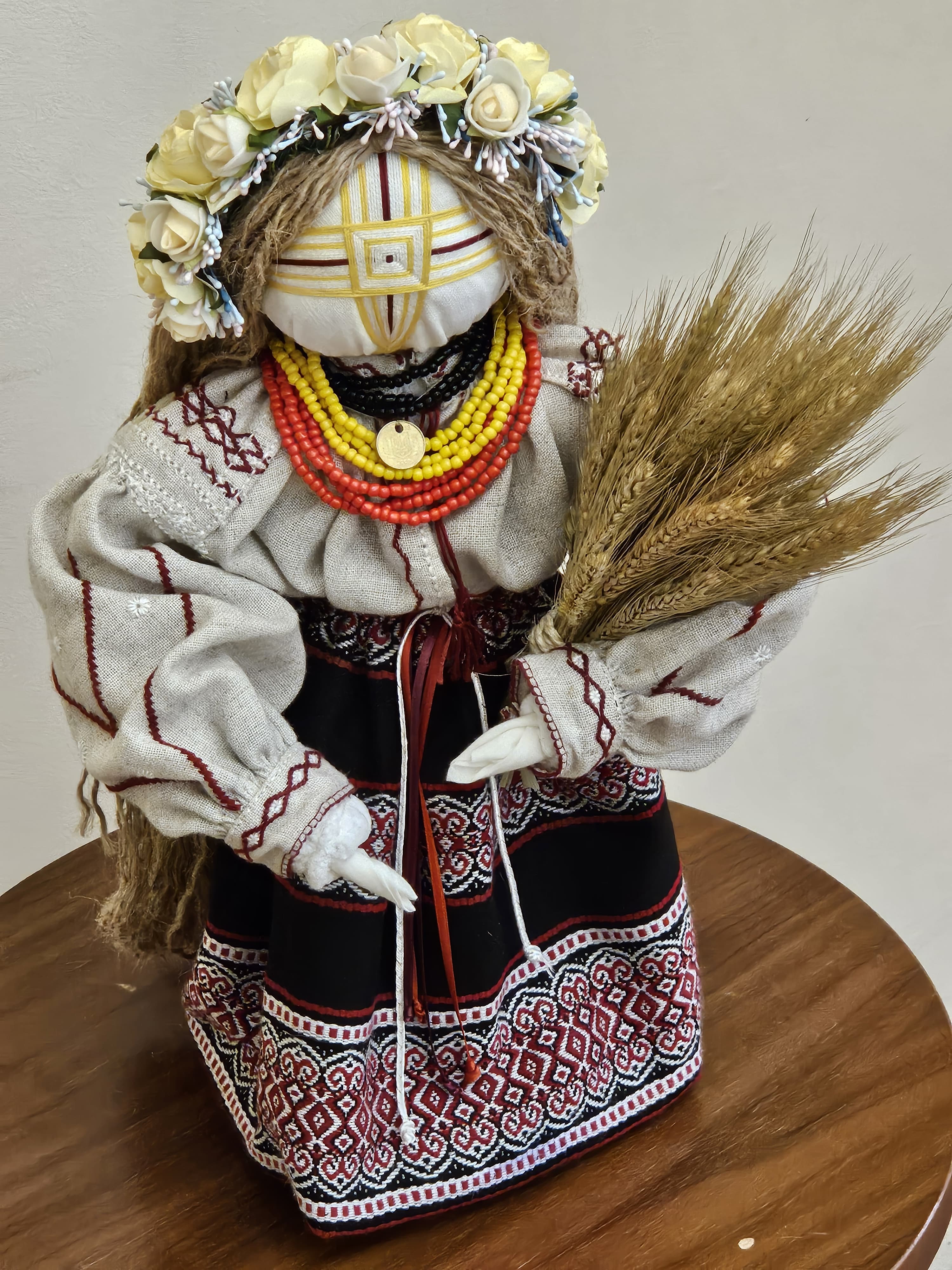
Staying Connected to Ukrainian Heritage
Being far from home does not mean losing touch with your roots. At the Ukrainian Welcome Centre, we believe that keeping Ukrainian culture alive is a powerful way to stay grounded, connected, and hopeful — both for individuals and for future generations. Whether you’ve been here for months or just arrived, the Ukrainian Welcome Centre regularly hosts Ukrainian cultural events and activities, whether it is for national holidays or religious festivals. Keep up to date with our events by following our social media and reading our schedule.
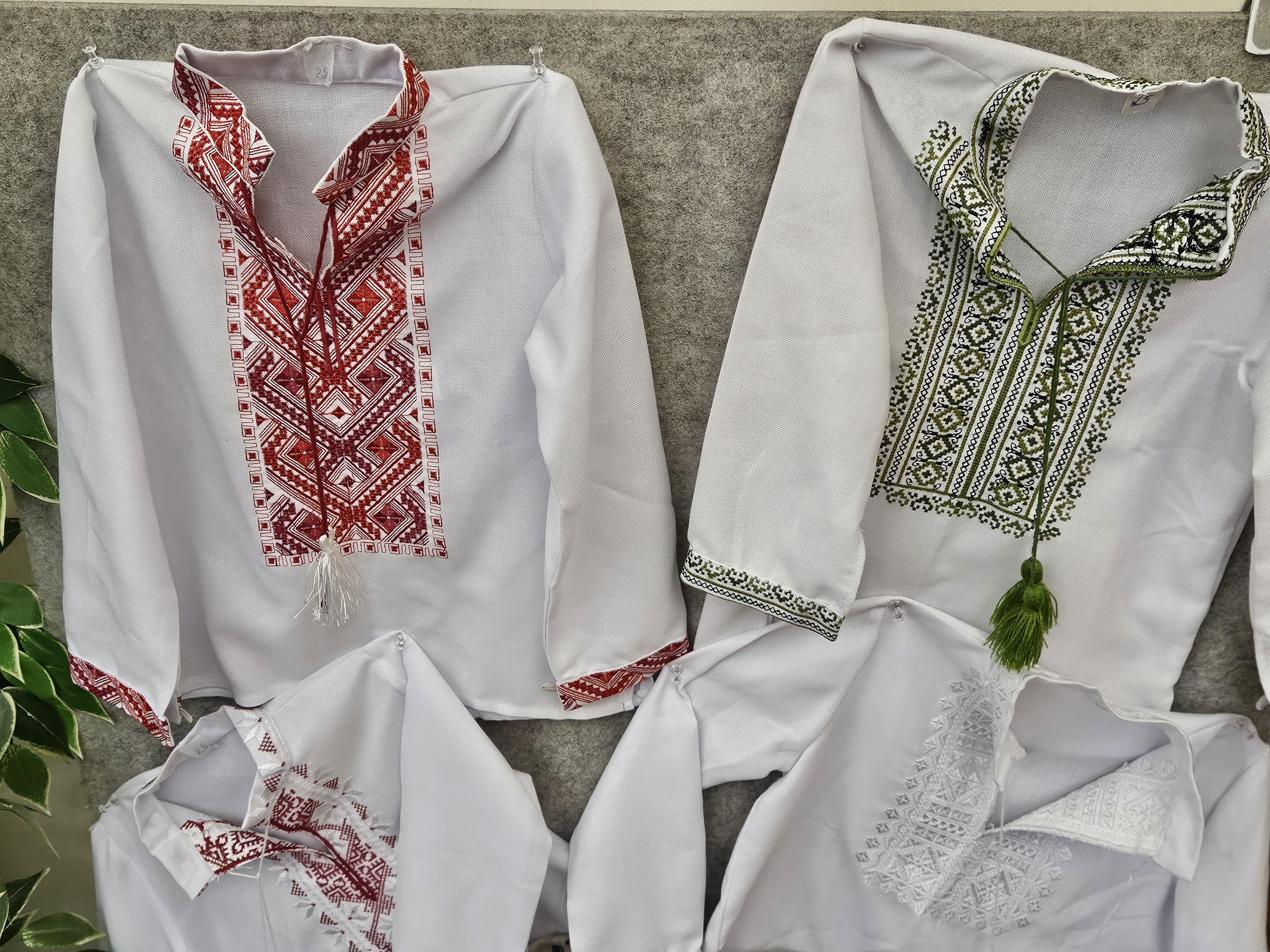
There are many traditional Ukrainian dance, choirs, and music groups that can be joined. Here at the Ukrainian Welcome Centre we celebrate Ukrainian holidays such as Vyshyvanka Day, Independence Day, Easter, and Christmas. Our Centre is deeply connected to the Ukrainian Catholic Church, operating out of the same building. It is therefore easy to stay in touch with your Ukrainian religious roots by coming to our Centre! There are also a variety of Orthodox churches and secular establishments (such as the Ukrainian Social Club at Holland Park Avenue) spread around London and the UK.
There are many Ukrainian groups and organisations that you can join to keep in contact with your Ukrainian culture: Association of Ukrainians in Great Britain (AUGB) Association of Ukrainian Women in Great Britain - Community organisation for Ukrainian women Ukrainian Youth Association - Youth Association in GB Plast - Ukrainian scouting organisation in the UK British Ukrainian Society - Organisation focused on promoting ties between Ukraine and the UK Ukrainian Institute London - Independent Ukrainian charity in London
Ukrainian Events in London offers and advertises many Ukrainian events to attend.
Content 5.7

Back to Home